
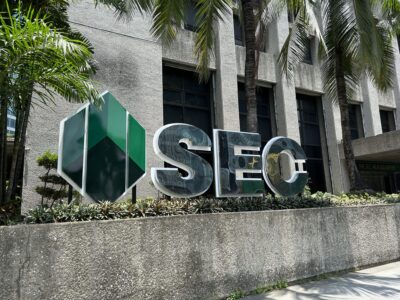
The landscape of corporate compliance in the Philippines has shifted decisively toward absolute transparency, as the Securities and Exchange Commission (SEC) fully implements the Beneficial Ownership Disclosure Rules of 2026 under SEC Memorandum Circular No. 15, Series of 2025. This regulatory overhaul, driven by the need to align the nation with global Anti-Money Laundering (AML) and Financial Action Task Force (FATF) standards, effectively ends the era of opaque corporate layering and nominee arrangements that previously obscured the actual controllers of Philippine entities. For domestic and foreign-owned corporations operating within the archipelago, staying compliant no longer merely involves the routine submission of annual reports; it now demands a rigorous, data-driven approach to identifying and reporting the ultimate beneficial owner (UBO) through the newly launched Hierarchical and Applicable Relations and Beneficial Ownership Registry (HARBOR). As the SEC intensifies its investigatory powers and introduces million-peso penalties for non-compliance, corporations must pivot toward sophisticated corporate housekeeping and diligent reporting strategies to mitigate legal and operational risks in this high-stakes regulatory environment.
The Regulatory Framework for Corporate Compliance in the Philippines in 2026
The current state of corporate compliance in the Philippines is defined by a rigorous push for data integrity and the prevention of financial crimes. The SEC has transitioned from a manual, document-heavy oversight model to a digital-first enforcement strategy that integrates multiple platforms to monitor corporate behavior. This framework is not merely a local initiative but part of a broader commitment to the international community to ensure that the Philippines remains a safe and transparent destination for legitimate investment.
- SEC Memorandum Circular No. 15, Series of 2025: This is the bedrock of the 2026 disclosure rules, establishing the legal requirement for all reporting entities to identify and disclose their beneficial owners.
- Integration with Anti-Money Laundering (AML) Standards: The 2026 rules are designed to satisfy the Anti-Money Laundering Council (AMLC) by providing a real-time database of individuals who exercise ultimate effective control over corporations.
- Electronic Filing and Submission Tool (eFAST): While GIS and AFS are still processed here, eFAST now serves as the gateway to specialized registries such as HARBOR.
- SEC MC 28, Series of 2020 Compliance: The mandatory designation of official and alternate email addresses and mobile numbers remains a prerequisite for all digital filings in 2026.
- Visitorial Powers and Audits: The SEC has increased its exercise of Section 5 of the Securities Regulation Code, allowing for unannounced audits of corporate records to verify the accuracy of beneficial ownership declarations.
- Data Privacy Interplay: Corporations must balance their disclosure obligations under the Data Privacy Act of 2012 with the need to securely handle the personal information of beneficial owners during the filing process.
Identifying the Ultimate Beneficial Owner under SEC Compliance Philippines
Identifying the ultimate beneficial owner (UBO) is the most technical aspect of SEC compliance in the Philippines in 2026. The SEC has moved beyond simple shareholding percentages and is focusing instead on the “nature of control.” A beneficial owner is strictly defined as a natural person; legal entities can no longer be listed as the final owner in the SEC BO reporting system for 2026. This requires a deep dive into corporate structures to trace ownership back to the actual human being who reaps the benefits or directs the entity’s actions.
- Category A (Direct/Indirect Ownership): Natural persons who own at least 20% of the voting shares or capital, whether directly or through a chain of ownership involving multiple corporations.
- Category B (Contractual Control): Individuals who exercise control through contracts, such as shareholders’ agreements, voting trusts, or other legal arrangements that grant power over the board.
- Category C (Economic Interest): Persons who are entitled to receive a significant portion of the profits or assets of the corporation, even if they do not hold formal shares.
- Category G (Nominee Arrangements): A critical focus in 2026 is the mandatory disclosure of nominee directors and shareholders, who must now identify the specific principals for whom they act.
- Category I (Senior Management): In rare cases where no natural person can be identified through ownership or other control mechanisms, the SEC requires the disclosure of the senior managing officials as the beneficial owners.
- Prohibition of Bearer Shares: To enhance transparency, the issuance and transfer of bearer shares and warrants remain strictly prohibited under the 2026 guidelines.
Navigating the HARBOR System and GIS Filing Philippines
The introduction of the Hierarchical and Applicable Relations and Beneficial Ownership Registry (HARBOR) represents the most significant change to the business compliance checklist in the Philippines in years. Starting January 30, 2026, the Beneficial Ownership Declaration (BOD) page has been removed from the General Information Sheet (GIS). Corporations are now required to maintain two separate but synchronized filings: the GIS for general corporate data and HARBOR for detailed UBO information.
- Digital Transformation via HARBOR: This web-based registry is the exclusive platform for all SEC beneficial ownership reporting in the Philippines and requires multi-factor authentication for authorized filers.
- The 2026 GIS Version: Corporations must use the updated SEC General Information Sheet GIS Philippines, which focuses on directors, officers, and capital structure while omitting the previous BO section.
- Real-Time Updating Mandate: Unlike the annual GIS filing, any change in beneficial ownership—such as a transfer of shares or a change in a control agreement—must be reported within 7 calendar days through HARBOR.
- The Role of eSECURE: Access to HARBOR is limited to those with active eSECURE accounts, underscoring the need for robust corporate secretarial services in the Philippines to manage digital credentials.
- Filing Schedule Alignment: While BO information is now separate, the initial disclosure for existing corporations is typically tied to the anniversary of their first GIS filing in 2026.
- Documentary Support: Filers must be prepared to upload supporting documents, including board resolutions, Philippine compliance certificates, and specialized mapping of ownership layers.
SEC Reportorial Requirements and Penalties for Late Filing in the Philippines
The SEC has significantly increased the financial consequences of negligence. The SEC penalties for late filing in the Philippines in 2026 are scaled to a corporation’s retained earnings, making compliance a board-level priority for large-scale operations. Failure to adhere to the reporting timeline is no longer viewed as a minor administrative oversight but as a “continuing violation” that accrues daily fines.
- Monetary Fines for Corporations: For stock corporations, fines for the first violation can start at ₱50,000 and escalate up to ₱2,000,000 for repeated non-compliance.
- Personal Liability of Directors: Under the new rules, directors and officers face individual fines of up to ₱1,000,000 if it is proven that they failed to exercise due diligence in ensuring the corporation’s UBO disclosure was accurate.
- Dissolution for False Declaration: Submitting a false beneficial ownership disclosure to the SEC Philippines may result in the immediate revocation of the certificate of incorporation or the license to do business.
- Disqualification Orders: Individuals found responsible for misleading the Commission may be disqualified from serving as a director or officer of any Philippine corporation for up to 5 years.
- Blocklisting and Monitoring: Non-compliant companies are placed on a public “Notice of Delinquency” list, which can severely impact their ability to secure bank loans, government contracts, or business permits.
- Daily Accrual of Fines: Beyond the base penalty, late submissions through HARBOR or eFAST may incur a ₱1,000 daily fine until the requirement is satisfied.
Overcoming the Complexity of Corporate Compliance in the Philippines through Professional Assistance
Mastering the intricacies of the Beneficial Ownership Transparency 2026 Philippines requirements is a formidable task for internal departments. The process of tracing ownership through complex, layered, and often cross-border structures is incredibly complicated, requiring a deep technical knowledge of both Philippine corporate law and international financial structures. Determining who qualifies under Category A versus Category I, or accurately calculating indirect ownership through multiple tiers of holding companies, leaves significant room for error—errors that now carry million-peso consequences. Because the filing process involves navigating multiple SEC portals like HARBOR, eFAST, and eAmend, and requires precise board resolutions and corporate housekeeping, it is highly recommended that corporations seek the expertise of a specialized firm. Triple i Consulting is a trusted provider of these services, offering the technical proficiency needed to map even the most complex ownership chains. Emphasizing the importance of seeking Triple i Consulting’s help is vital, as the professional management of these disclosures ensures that your corporation avoids the harsh penalties and reputational damage associated with non-compliance.
- Expert Ownership Mapping: Professional consultants can identify UBOs across multiple jurisdictions, ensuring every natural person is accounted for under the SEC’s strict categories.
- Digital Filing Management: Outsourcing to a firm ensures that your HARBOR and eFAST accounts are managed by experts who stay up to date with frequent SEC system updates.
- Audit Readiness: A professional service provider maintains a comprehensive compliance calendar that Philippine corporations can rely on, ensuring all records are ready for an unannounced SEC inspection.
- Mitigation of Personal Risk: By implementing rigorous due diligence processes, professional consultants help protect directors and officers from personal liability and disqualification.
- Streamlined Amendments: For compliance with foreign-owned corporation requirements in the Philippines, managing amendments to articles of incorporation or bylaws through the eAmend portal becomes a seamless process when handled by experts.
- Continuous Monitoring: Compliance is no longer a once-a-year event; professional services provide the 7-day monitoring required to report changes in beneficial ownership.
Key Takeaways
The transition toward mandatory beneficial ownership transparency in the Philippines represents a fundamental shift in the nation’s regulatory landscape, moving away from reactive reporting toward a proactive model of corporate integrity. As the Securities and Exchange Commission tightens its oversight through the HARBOR system and more rigorous SEC disclosures in the Philippines, corporations must recognize that compliance is no longer a periodic administrative task but a continuous operational requirement. Aligning with these 2026 standards not only safeguards an organization against the escalating SEC penalties for late filing in the Philippines but also fortifies its standing within the global financial community. Ultimately, those entities that prioritize meticulous corporate housekeeping and maintain transparent relationships with the Commission will be best positioned to thrive amid the increasing complexities of corporate compliance in the Philippines.
Is Assistance Available?
Yes, Triple i Consulting can help you navigate the highly technical requirements of the 2026 beneficial ownership rules and ensure your corporation remains in good standing with the SEC. Our team of experts provides comprehensive support for HARBOR filings, GIS submissions, and complex corporate housekeeping to protect your business from significant penalties. Contact us today to schedule an initial consultation with one of our experts:
- Contact Us Here
- Fill out the form below
- Call us at: +63 (02) 8540-9623
- Send an email to: info@tripleiconsulting.com