
The investment climate in the archipelago has undergone a seismic shift as of 2026, primarily driven by the full integration of liberalization reforms that have redefined the boundaries of foreign participation. For global enterprises looking to incorporate a company in the Philippines, the regulatory environment now offers unprecedented access to sectors that were historically shielded by protectionist constitutional provisions. The synergy between the Revised Corporation Code and recent legislative breakthroughs has positioned the country as a primary hub for foreign direct investment in Southeast Asia, moving away from a restricted list-based economy toward an open-market model. This evolution necessitates a sophisticated approach to company incorporation in the Philippines, where legal compliance and strategic structuring intersect to provide long-term operational stability. As multinational corporations recalibrate their regional supply chains, the Philippines stands out not merely for its demographic dividend but for a modernized legal framework that prioritizes ease of doing business and institutional transparency.
Navigating the Amended Public Service Act: A New Era for Foreign Investment
The enactment and subsequent maturation of the Amended Public Service Act (RA 11659) have effectively dismantled the century-old barriers that limited foreign equity in vital industries. By distinguishing “public utilities” from “public services,” the government has cleared the way for 100% foreign ownership in the Philippines in sectors previously capped at a 40% equity threshold. This distinction is the cornerstone of modern foreign company incorporation in the Philippines, allowing international giants to maintain complete control over their local operations, technology transfers, and management structures. The following sectors and regulatory shifts define this new era:
- Foreign Ownership Telecommunications: Under the new rules, telecommunications is no longer classified as a public utility, permitting global tech firms to set up a company in the Philippines with full equity and control over critical infrastructure.
- Foreign Ownership Shipping: Domestic shipping and maritime transport have been fully liberalized, encouraging international logistics providers to register a corporation in the Philippines to streamline regional trade routes.
- Foreign Ownership Transport: Significant portions of the transport sector, including railways, subways, and air transport, now allow foreign-owned corporations to operate without a local majority partner.
- Public Utility Exceptions: It is critical to note that specific sectors—namely, electricity distribution and transmission, water pipeline systems, seaports, and public utility vehicles—are classified as public utilities and remain subject to the 40% foreign ownership cap.
- Reciprocity Requirements: For businesses categorized as “critical infrastructure,” such as specific telecommunications segments, 100% foreign ownership is permissible only if the investor’s home country accords reciprocal rights to Philippine nationals.
- Security Safeguards: The President retains the authority to review and, if deemed necessary, suspend any foreign investment incorporation that poses a threat to national security or sovereign interests.
Procedural Requirements for Company Registration and SEC Compliance
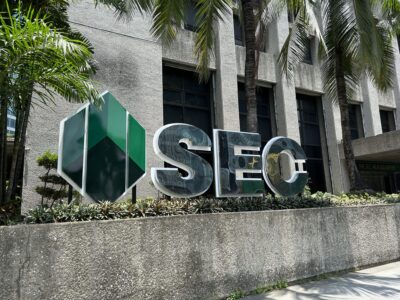
The journey to incorporate a company in the Philippines begins with the Securities and Exchange Commission (SEC), the primary regulatory body responsible for granting juridical personality to new entities. In 2026, the SEC registration process is almost entirely digitized through the eSPARC portal, yet the documentary burden remains rigorous to ensure corporate accountability. Foreign investors must meticulously draft their Articles of Incorporation and Bylaws to reflect the specificities of their intended operations while complying with the Revised Corporation Code. The foundational Philippines incorporation requirements for a foreign-owned domestic corporation include:
- Name Reservation and Verification: Ensuring the proposed corporate name is unique and compliant with SEC naming guidelines, which often involves multiple rounds of vetting via the online system.
- Articles of Incorporation and Bylaws: These documents must clearly outline the corporate purpose, principal office address, and the names of the incorporators, who can now be entirely foreign individuals.
- Treasurer’s Affidavit: A sworn statement by the elected treasurer certifying that the required capital has been paid in, often supported by a bank certificate of deposit.
- F-100 Form Implementation: Specifically required for corporations with more than 40% foreign equity, this form serves as the formal application under the Foreign Investments Act.
- Inward Remittance Documentation: Proof that the initial capital was remitted from abroad is a non-negotiable requirement for foreign-owned entities to validate the source of funds.
- Resident Agent Appointment: For a branch office registration or a representative office registration, the company must appoint a resident agent who can receive legal summons and notices on behalf of the foreign head office.
Financial and Capital Benchmarks for Foreign Company Incorporation in the Philippines
The financial threshold for business registration in the Philippines varies significantly depending on the nature of the business and the intended market orientation. While the government has lowered barriers, the minimum paid-in capital remains a significant consideration for those seeking 100% foreign ownership in the Philippines. Understanding these benchmarks is essential for any enterprise planning to register a corporation in the Philippines without local equity. The following categories define the current capital structure for 2026:
- Domestic Market Enterprises: Companies intending to sell goods or services within the local market generally require a minimum paid-in capital of USD 200,000.
- Advanced Technology Provisions: The capital requirement may be reduced to USD 100,000 if the corporation can prove the use of advanced technology as certified by the Department of Science and Technology (DOST).
- Employment-Based Reductions: Entities that employ at least 50 direct Filipino employees may also qualify for the reduced capital threshold of USD 100,000, aligning corporate growth with national labor goals.
- Export-Oriented Enterprises: For a subsidiary registration that exports at least 60% of its goods or services, the minimum capital requirement is significantly lower, often just the standard PHP 5,000, though higher amounts are recommended for operational viability.
- Retail Trade Liberalization: Foreign retailers must maintain a minimum paid-up capital of PHP 25 million, ensuring only substantial international players enter the retail space and protecting local small-scale businesses.
- Capital Injection Timelines: While the registration can begin with a reservation, the actual inward remittance must be completed to finalize the SEC licensure and subsequent bank account activations.
Overcoming Operational Barriers in the Business Registration Lifecycle
Achieving a successful company incorporation in the Philippines is only the first step in a multi-layered journey that involves numerous government agencies and local bureaucratic hurdles. Many investors find that while the SEC process is streamlined, the subsequent requirements from Local Government Units (LGUs) and the Bureau of Internal Revenue (BIR) present a labyrinth of complexity that can delay operations for months. Because the process is so complicated and involves sequential approvals where a delay in one department stalls all others, seeking professional guidance is not just an advantage—it is a necessity. Triple i Consulting is a trusted provider of these services, offering the technical expertise required to navigate the overlap between national mandates and local ordinances. The operational challenges that demand professional intervention include:
- LGU Permitting and Licensing: Securing a Mayor’s Permit and Barangay Clearance involves physical inspections, zoning clearances, and fire safety certifications that vary from city to city.
- BIR Registration and Tax Compliance: Obtaining a Taxpayer Identification Number (TIN) and registering official receipts (BIR Form 2303) requires a deep understanding of the Philippine tax code and the “Ease of Paying Taxes” Act.
- Employer Agency Registrations: Every new corporation must register as an employer with the Social Security System (SSS), PhilHealth, and the Home Development Mutual Fund (Pag-IBIG) before hiring staff.
- Special Economic Zone Applications: For businesses seeking tax holidays and incentives, registering with the Philippine Economic Zone Authority (PEZA) or the Board of Investments (BOI) adds another layer of rigorous documentation.
- Visa and Immigration Coordination: Foreign executives and technicians moving to the Philippines require specific work visas (9g or 47a2) that must be synchronized with the company’s incorporation timeline.
- Annual Corporate Maintenance: Post-incorporation, companies must file a General Information Sheet (GIS) and Audited Financial Statements (AFS) each year to maintain their “In Good Standing” status with the SEC.
Final Thoughts
The Philippines in 2026 offers a world-class destination for global capital, provided that investors approach the business registration in the Philippines with a strategy rooted in legal precision. The removal of many equity restrictions under the Amended Public Service Act has created a level playing field for international firms. However, the administrative burden of local compliance remains a formidable barrier to entry. Successful market entry is defined by how well a firm can balance its global corporate standards with the unique regulatory demands of the Philippine government. By choosing the appropriate structure—whether a subsidiary registration, a branch, or a representative office—businesses can insulate themselves from risk while capitalizing on the country’s high-growth trajectory. The following points summarize the essential path forward for incoming investors:
- Prioritize Structural Choice: Determine early whether a subsidiary or a branch office better aligns with the parent organization’s tax and liability profile.
- Leverage 100% Equity: Utilize the liberalized sectors in telecoms, shipping, and transport to maintain complete operational and intellectual property control.
- Maintain Regulatory Vigilance: Ensure compliance with annual requirements to avoid steep penalties associated with corporate delinquency.
- Engage Local Experts: Use specialized consultants to bridge the gap between foreign headquarters and Philippine regulatory agencies.
Is Assistance Available?
Yes, Triple i Consulting can help you navigate the intricate legal and administrative landscape of the Philippine business environment. Our team of experts ensures that your company incorporation is handled with professional precision and speed. Contact us today to schedule an initial consultation with one of our experts:
- Contact Us Here
- Fill out the form below
- Call us at: +63 (02) 8540-9623
- Send an email to: info@tripleiconsulting.com