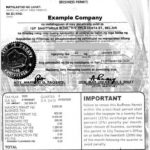

For businesses operating in the Philippines, the annual business permit renewal is a non-negotiable compliance requirement. The permit, commonly known as the Mayor’s Permit, is issued by the Local Government Unit (LGU) and must be renewed every year to keep the business legally operational. Missing the deadline can lead to significant penalties, including surcharges, interest fees, and, in severe cases, business closure. Understanding the risks of late business permit renewal and planning ahead is essential to avoid unnecessary costs and operational disruptions.
Getting Ready for Business Permit Renewal
Preparing for business permit renewal should start well before the January 20 deadline. Early preparation reduces stress, avoids last-minute rushes, and ensures that all documents are accurate and complete. Businesses should begin reviewing their records in November or December to confirm that financial statements, tax filings, and lease contracts are up to date.
Start by creating a checklist of all required documents, including the previous year’s permit, barangay clearance, financial statements, and proof of tax payments. Verify that your business information, such as address and activity classification, is current with the LGU. If your business has undergone changes, such as expansion or relocation, update the necessary records before filing the renewal application.
It is also important to budget for the renewal fees, including local business taxes, surcharges, and any additional permits required by your LGU. Planning ahead allows you to allocate funds appropriately and avoid cash flow issues when payment is due. If your business operates in multiple locations, ensure that each branch has its own set of documents and permits.
Finally, consider engaging a professional service provider to handle the renewal process. This frees up your team to focus on core operations while ensuring that all compliance requirements are met accurately and on time. With proper preparation and support, getting ready for business permit renewal becomes a manageable and predictable part of your annual business cycle.
Penalties for Late Business Permit Renewal
The penalties for late business permit renewal are standardized under the Local Government Code, but LGUs may impose additional local fees. The standard penalties include:
- A 25% surcharge on all unpaid taxes, charges, and fees.
- A 2% monthly interest fee on the unpaid amount, including the surcharge, until the debt is fully settled.
In addition to these financial penalties, businesses that fail to renew their permits may face fines ranging from PHP 5,000 to PHP 20,000. In extreme cases, the LGU may order the confiscation of assets or even the closure of the business until compliance is achieved. These penalties can disrupt operations, damage the company’s reputation, and create cash flow challenges.
Business Permit Renewal Requirements
To renew the business permit on time, businesses must prepare the following documents:
- Accomplished application form from the LGU.
- Previous year’s business permit (original and copy).
- Official receipt of the last business tax payment.
- Updated Barangay Business Clearance.
- Income statement or financial statements for the previous year.
- Certified true copy of the lease contract or proof of ownership of the business location.
- Community Tax Certificate (CTC) or cedula.
- Local insurance certificate, if required by the LGU.
For BIR renewal, businesses must submit BIR Form 0605 and pay the required fees at the designated Revenue District Office. Some LGUs may also require additional documents, such as fire safety inspection certificates, sanitary permits, or environmental compliance certificates, depending on the nature of the business.
The Renewal Process Step by Step
The business permit renewal process involves multiple government agencies and can be time-consuming. The general steps are as follows:
- Renew Barangay Clearance: Start by securing the updated Barangay Business Clearance from the barangay where the business is located. This is usually the first step in the renewal process.
- Prepare Financial Documents: Gather the income statement, the previous year’s permit, and proof of payment. Ensure that all figures are accurate and consistent with tax filings.
- Submit Documents to the LGU: File the application form and supporting documents at the Business Permit and Licensing Office (BPLO) of the City or Municipal Hall.
- Pay Business Taxes and Fees: The LGU will assess the business taxes and fees based on gross sales or receipts. Payment must be made at the City Treasurer’s Office.
- Secure Additional Permits: If required, obtain fire safety, sanitary, and other local permits. These are often prerequisites for the release of the Mayor’s Permit.
- Claim the Business Permit: After all requirements are met and fees are paid, the new business permit will be released. Processing time varies by LGU but can take several weeks during peak season.
- Renew BIR Registration: Submit BIR Form 0605 and pay the annual registration fee at the Revenue District Office. This step must be completed by January 31.
Risks of Using Fixers for Permit Renewal
Some business owners are tempted to use fixers or third-party agents to expedite the renewal process. While this may seem convenient, it carries significant risks. Fixers may charge exorbitant fees, misrepresent the business’s financial data, or engage in underdeclaration of sales to reduce taxes. These practices can expose the business to tax evasion charges, penalties, and legal complications.
Moreover, relying on fixers can lead to incomplete or inaccurate filings, which may trigger audits or compliance issues later. The safest approach is to handle the renewal process directly or engage a reputable professional service provider, such as Triple i Consulting, to ensure accuracy and compliance.
Common Pitfalls in Business Permit Renewal
Businesses often encounter avoidable issues when renewing their permits. Common pitfalls include:
- Incomplete or outdated documents: Missing or expired documents can delay the renewal process and lead to penalties.
- Inaccurate financial statements: Discrepancies between reported sales and tax filings can raise red flags with the LGU and BIR.
- Failure to update business information: Changes in business address, ownership, or activity must be reflected in the renewal application.
- Ignoring additional local requirements: Some LGUs require extra permits or inspections that must be completed before the business permit is released.
To avoid these issues, businesses should start the renewal process early, verify all requirements with the LGU, and maintain accurate and up-to-date records.
Practical Tips to Avoid Late Business Permit Renewal
To avoid late business permit renewal and the associated penalties, businesses should adopt the following best practices:
- Start the process early: Begin gathering documents and securing clearances in December to avoid the January rush.
- Create a compliance calendar: Track all renewal deadlines, including the business permit, BIR registration, and other permits.
- Maintain accurate records: Keep financial statements, tax filings, and business documents up to date and consistent.
- Engage professional support: If the renewal process is too time-consuming, consider outsourcing to a trusted service provider.
- Verify LGU requirements: Check with the local government for any additional permits or inspections required for your business type.
By following these tips, businesses can minimize the risk of late business permit renewal and maintain smooth operations throughout the year.
Case Study: The Cost of Late Renewal
Consider a small retail business in Metro Manila that missed the January 20 deadline for business permit renewal. The business had an annual local business tax of PHP 50,000. Due to late renewal, the business incurred a 25% surcharge (PHP 12,500) and 2% monthly interest for three months (PHP 3,000). In addition, the LGU imposed a fine of PHP 10,000 for operating without a valid permit. The total cost of late renewal amounted to PHP 25,500, or more than 50% of the original tax due.
This case illustrates how quickly penalties can accumulate and why timely renewal is critical for cost management and compliance.
Final Insights
Late business permit renewal can lead to significant financial penalties, operational disruptions, and reputational damage. For businesses in the Philippines, staying compliant with annual renewal deadlines is a key part of responsible corporate governance. By understanding the penalties, preparing the required documents, and following a structured renewal process, businesses can avoid unnecessary costs and maintain smooth operations.
For Triple i Consulting clients, proactive compliance is the best strategy. With the right planning and professional support, late business permit renewal can be avoided, allowing businesses to focus on growth and long-term success.
Take Action Today to Avoid Late Business Permit Renewal
Triple i Consulting provides end-to-end support for business permit renewal and compliance. Our team assists clients in preparing the required documents, coordinating with LGUs and the BIR, and ensuring timely submission to avoid late business permit renewal penalties. We also help clients navigate additional requirements, such as fire safety inspections and environmental clearances.
For businesses that have missed the renewal deadline, we can assist in managing the penalty assessment and negotiating with the LGU to minimize disruptions. Our goal is to help clients stay compliant while focusing on their core operations.
Don’t wait until the last minute to renew your business permit. Avoid costly penalties and keep your business compliant with Triple i Consulting’s expert support. Our team can handle the entire renewal process for you, from document preparation to LGU coordination and BIR filing. Contact us now to get started and ensure your business stays on the right side of the law:
- Contact Us Here
- Fill out the form below
- Call us at: +63 (02) 8540-9623
- Send an email to: info@tripleiconsulting.com