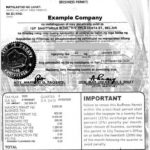

For companies that manufacture, import, export, distribute, or sell FDA-regulated products in the Philippines, securing a license to operate is one of the first compliance steps that cannot be skipped. The Food and Drug Administration requires covered establishments to obtain this authorization before they can legally handle regulated products such as food, drugs, cosmetics, medical devices, and other health-related goods. A business may have valid SEC or DTI registration and local permits, but that does not replace the need for an FDA license to operate when its activities fall within FDA jurisdiction.
Understanding the license to operate process is essential because it affects product launch timing, import planning, regulatory risk, and long-term market access.
What is a License to Operate
A license to operate is the FDA’s authorization for an establishment engaged in activities involving regulated health products. It is establishment-based, which means it applies to the company or facility performing a regulated activity, not to the product itself. In practical terms, the license to operate confirms that the establishment is allowed to conduct certain business activities under FDA rules, subject to compliance with applicable standards and conditions.
This distinction matters because businesses often confuse the license to operate with product registration. The LTO covers the establishment, while separate product authorization may still be required for the individual items being sold or distributed. A company generally needs the proper establishment license first before it can move forward with many product registration or notification processes.
Why the FDA Requires an LTO
The FDA requires a license to operate to help ensure that businesses handling regulated products have the systems, facilities, and controls needed to protect public health. It is part of the broader regulatory framework under the FDA Act and related administrative issuances covering food, drugs, devices, cosmetics, and other products under FDA supervision.
From a practical standpoint, the license to operate allows the FDA to verify who is manufacturing, importing, distributing, or trading regulated products in the market. This improves traceability, supports inspections, and gives regulators a mechanism to suspend or revoke operations when an establishment fails to comply with the law. For businesses, it also signals to customers, suppliers, and customs authorities that the company is properly authorized to operate in a regulated space.
Establishments That Commonly Need an LTO
A license to operate is generally required for establishments engaged in manufacturing, importing, exporting, distributing, wholesaling, trading, or retailing certain regulated products. The exact requirement depends on the product category and the type of activity being performed.
Examples of establishments that commonly need a license to operate include food importers, food distributors, drugstores, drug importers, medical device distributors, cosmetic traders, and manufacturers of regulated products. Businesses dealing in bottled water, food supplements, pharmaceuticals, medical devices, household hazardous substances, and similar items should assess carefully whether their operations fall under FDA licensing requirements before they begin commercial activity.
Product Categories Covered by FDA Licensing
The FDA’s license to operate framework is not limited to one industry. It applies across several regulated product categories, each with its own rules, centers, and possible supporting documents.
These categories commonly include food and bottled water, drugs, cosmetics, medical devices, in vitro diagnostic products, and other health products regulated by the FDA. In some cases, a company handling several product classes may need to align its filings and internal controls with different FDA centers or subcategories, which makes early planning especially important.
LTO vs Product Registration
Many businesses assume that once they have a license to operate, they can immediately sell all of their products. That is not always correct. The license to operate authorizes the establishment to carry out regulated activities, but it does not automatically authorize every individual product for sale.
For many regulated goods, businesses also need a certificate of product registration, notification, listing, or another form of market authorization, depending on the category. For example, an importer of regulated products may first need an FDA license to operate as an importer, then separately apply for product registration or notification before the goods can be legally marketed in the Philippines. Understanding this two-layer compliance model helps avoid delays and enforcement problems later.
Basic Eligibility Before Applying
Before applying for a license to operate, the business must first have a valid legal identity in the Philippines. This usually means completing SEC or DTI registration, securing a business address, and preparing the corporate and operational documents required for FDA review.
The company should also be clear about its exact business activity, because the classification used in the license to operate applications must match what the establishment actually does. A manufacturer, trader, importer, and distributor are not treated the same way under FDA rules. Misclassification at the start can lead to delays, deficiency notices, or the need to refile under the proper category.
Common Documentary Requirements
The exact documentary requirements for a license to operate depend on the nature of the business and the regulated product involved. However, there are recurring baseline documents that many applicants are expected to prepare.
These commonly include proof of business registration, proof of occupancy or use of the business address, an accomplished application form, and proof of payment of applicable fees. Depending on the category, the FDA may also require a site master file, quality manuals, floor plans, organizational charts, risk management plans, declarations and undertakings, and documents identifying the qualified personnel responsible for regulatory compliance and operations.
Operational Documents and Facility Readiness
A license to operate is not only about submitting corporate papers. The FDA also expects establishments to demonstrate operational readiness appropriate to their business model. That means the company should have procedures, responsible personnel, and a facility setup that are consistent with the activity being licensed.
For example, a warehouse-based distributor applying for a license to operate should be able to show how products are received, stored, documented, and released. A manufacturer will likely face a more detailed review focused on production systems, quality control, sanitation, and traceability. Businesses that prepare these internal controls early are usually in a better position to respond to FDA questions and inspection requirements.
Filing Through the FDA eServices Portal
In many product sectors, the license to operate application is filed through the FDA eServices Portal. This online system is used for initial applications, renewals, and variations for several establishment types and product categories.
Using the eServices platform, an applicant creates or accesses their account, selects the correct establishment category, uploads the required documents, and tracks application status. Because the portal depends on correct encoding and matching file submissions, businesses should review every entry carefully before final submission. Small inconsistencies in the company name, address, authorized activity, or uploaded files can slow down approval.
Step-by-Step Application Process
The process of obtaining a license to operate can vary slightly depending on the category, but the general workflow follows a recognizable sequence. Businesses that understand this sequence are less likely to miss key requirements.
- Confirm whether the business activity and product category require a license to operate under FDA rules.
- Complete SEC or DTI registration and make sure the business has a valid Philippine address and supporting corporate documents.
- Identify the correct FDA establishment category, such as manufacturer, importer, trader, wholesaler, retailer, or distributor.
- Gather the documentary requirements, including proof of registration, occupancy documents, quality and operational records, and other category-specific requirements.
- Create or access the company account in the FDA eServices Portal and encode the application details carefully.
- Upload the documentary requirements and submit the application for FDA review.
- Pay the applicable filing fees once the system or FDA instructions require payment.
- Respond to any deficiency notices, clarification requests, or inspection requirements raised during evaluation.
- Undergo pre-licensing inspection if the FDA requires one for the establishment type or application involved.
- Receive the approved license to operate if the establishment meets the FDA’s licensing requirements.
Inspections and FDA Evaluation
An LTO application does not always end with document submission. Depending on the establishment type, risk profile, or the nature of the application, the FDA may conduct a pre-licensing inspection before approval.
Inspections are important because they allow regulators to confirm that the actual facility, equipment, storage practices, documentation systems, and responsible personnel match what was declared in the application. Even when a physical inspection is not immediately conducted, the establishment should assume that it may be inspected later and should maintain continuous compliance rather than treating the application as a one-time paperwork exercise.
Initial Application, Renewal, and Variation
A license to operate is not static. Businesses may file for an initial license, a renewal, or a variation depending on their circumstances. Understanding the difference helps companies avoid lapses and invalid operations.
An initial application is for a new establishment or newly covered activity. A renewal is needed before the current license to operate expires, so the company can continue operating without interruption. A variation applies when material information changes, such as business name, address, responsible officers, or the nature of the authorized activity. Businesses should not assume that major operational changes can be implemented first and reported later; in many cases, the FDA expects the change to be properly processed through a variation application.
Common Reasons for Delay
Delays in a license to operate application are often avoidable. One of the most common problems is submitting incomplete or inconsistent documents, especially when the business registration records, lease documents, and portal entries do not match exactly.
Another common issue is filing under the wrong category or misunderstanding the role of the company in the supply chain. A business that calls itself a trader in practice but operates as an importer-distributor may trigger questions during review. Delays also happen when applicants upload unclear scans, forget mandatory declarations, or fail to respond promptly to FDA notices. Careful preparation before filing can save weeks or months in processing time.
Compliance After Approval
Obtaining a license to operate is not the end of the regulatory process. Once approved, the business must continue complying with the conditions attached to the license and with broader FDA rules that apply to its products and operations.
This includes maintaining accurate records, observing proper storage and handling conditions, keeping qualified personnel in place, and renewing the license to operate on time. If the company changes address, expands its activities, or modifies key details, it may need to file a variation or additional application. Businesses that fail to maintain compliance risk penalties, suspension, product seizure, or revocation of the license.
Business Risks of Operating Without an LTO
Operating without the required license to operate can expose a business to serious legal and commercial risk.
- Regulatory enforcement. The FDA may issue warnings, suspend operations, seize regulated products, or take other enforcement action when an establishment handles covered goods without the required license to operate.
- Supply chain disruption. Customs clearance, distributor onboarding, retailer approval, and product registration often depend on a valid license to operate, so missing one can delay imports and sales.
- Commercial damage. Partners, retailers, and customers may lose confidence in a business that cannot show proper FDA authorization, which can hurt growth and credibility.
- Renewal and expansion setbacks. A missing or expired license to operate can block renewals, variations, or new product filings until compliance is restored.
- Financial loss. Delays, penalties, product holds, and launch interruptions can create avoidable costs that are often greater than the cost of proper compliance.
Operating without the required license to operate is not just a paperwork issue; it can affect the entire business model. For regulated companies, securing and maintaining the proper FDA authorization is one of the most important steps in protecting operations and avoiding unnecessary risk.
Preparing Internally for LTO Success
Companies that succeed in obtaining a license to operate usually treat the process as both a regulatory filing and an operational readiness exercise. That means aligning legal documents, facility setup, personnel assignments, and internal procedures before the application is filed.
A practical preparation plan includes reviewing the company’s business model, identifying the correct regulated activity, checking whether the facility and storage conditions match the intended use, and assigning responsibility for documentation and regulatory follow-up. For importers and distributors, this also means coordinating the LTO timeline with product registration, customs, warehousing, and market launch plans so there is no compliance gap between importation and commercial distribution.
Key Takeaways
A license to operate is a foundational regulatory requirement for many businesses dealing with FDA-regulated products in the Philippines. It authorizes the establishment, not just the product, and plays a central role in legal market entry, operational continuity, and long-term regulatory compliance.
For Triple i Consulting clients, the key is to approach the license to operate as part of a larger compliance strategy rather than a last-minute permit. When the business is properly classified, documents are complete, operations are aligned with FDA expectations, and renewals and variations are managed correctly, the LTO process becomes far more predictable. In a regulated market, that kind of preparation can make the difference between a delayed launch and a smooth, compliant entry into the Philippines.
Reach Out for Expert Assistance
Triple i Consulting helps businesses navigate the license to operate process from planning through approval and ongoing compliance. This includes assessing whether the business falls under FDA licensing rules, identifying the correct establishment category, and preparing the supporting documents required for filing.
For clients entering or expanding into regulated industries, our team can assist in aligning corporate registration, operational readiness, FDA filings, and post-approval compliance obligations. That support is especially useful for businesses handling multiple product categories or coordinating LTO applications together with product registration, importation, and commercialization timelines.
Reach out today to schedule an initial consultation with one of our experts:
- Contact Us Here
- Fill out the form below
- Call us at: +63 (02) 8540-9623
- Send an email to: info@tripleiconsulting.com