
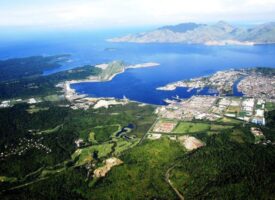
Multinational corporations searching for strategic footholds across Southeast Asia are increasingly directing capital toward specialized economic corridors that pair competitive fiscal frameworks with modern transport networks. Foreign enterprises that establish commercial operations through SBMA and CDC in the Philippines gain immediate access to preferred trade channels, statutory tax relief, and integrated multimodal transport systems. Managed by the Subic Bay Metropolitan Authority and the Clark Development Corporation, these dedicated freeport zones transform former strategic military installations in Central Luzon into integrated industrial and commercial gateways.
The Subic Bay Freeport Zone provides deepwater maritime capabilities that connect directly to primary Pacific trade routes. At the same time, the adjacent Clark Freeport Zone offers extensive international air cargo terminals and modern master-planned industrial estates. By securing foreign company registration in the Philippines within these designated jurisdictions, international entities leverage structural advantages that drastically reduce supply chain friction, lower operating overhead, and shield long-term capital investments from localized administrative delays. As global supply chain diversification remains a corporate priority, these contiguous freeports represent a premier destination for manufacturing, assembly, regional distribution, back-office operations, and high-tech processing enterprises.
Fiscal Incentives and Statutory Tax Benefits for Registered Enterprises
Securing SBMA registration or CDC registration grants qualifying foreign corporations access to a codified suite of financial privileges designed to reduce tax liability and foster sustainable long-term capital expansion. Administered under the modernized statutory guidelines of the Corporate Recovery and Tax Incentives for Enterprises (CREATE) Act alongside established freeport governing laws, these incentives provide legal certainty and operational predictability for foreign investment in the Philippines. By structuring investments through these specialized administrative bodies, foreign firms substitute standard national tax schemes with competitive business tax incentives in the Philippines, including preferential rates, duty exemptions, and accelerated deduction mechanisms that directly enhance bottom-line profitability.
- Special Corporate Income Tax (SCIT) and Income Tax Holidays: Qualifying export-oriented foreign firms can secure initial Income Tax Holidays (ITH) ranging from 4 to 7 years, depending on the enterprise’s technological tier and strategic priority. Following the expiration of the holiday period, registered companies transition to a preferential Special Corporate Income Tax rate of 5% based on Gross Income Earned (GIE), which replaces all standard national and local corporate income taxes.
- Exemption from Local Government Unit Taxes and Fees: Operating inside designated freeport boundaries insulates registered enterprises from local government unit (LGU) taxation, licenses, property taxes, and regional permit fees. This single-tier fiscal authority eliminates regulatory overlap across municipal jurisdictions, reducing financial administration costs and streamlining annual reporting requirements.
- VAT Zero-Rating and Customs Duty Exemptions: Foreign firms benefit from specialized tax incentives in the Philippines that grant duty-free and value-added tax (VAT) zero-rated status on the direct importation of capital equipment, industrial machinery, raw production materials, spare components, and specialized tools required for zone operations.
- Unrestricted Capital Repatriation and Foreign Exchange Rights: International businesses operating within Subic and Clark enjoy guaranteed foreign-exchange liberalizations, permitting the full, unrestricted repatriation of net profits, dividend distributions, liquidation proceeds, and foreign-loan servicing payments in foreign currencies without restrictive exchange controls.
- Enhanced Corporate Expense Deductions: Under modernized tax codes, registered businesses that opt out of the SCIT regime can access enhanced allowable deductions, including increased write-offs for local labor costs, technical training programs, domestic supply chain sourcing, and utility expenditures incurred during manufacturing or service delivery.
Logistics Capabilities and Strategic Infrastructure in Clark Freeport Zone and Subic Bay Freeport Zone
The physical infrastructure connecting the Subic Bay Freeport Zone and the Clark Freeport Zone creates an interconnected commercial ecosystem unmatched in Central Luzon. Linked by the high-speed Subic-Clark-Tarlac Expressway (SCTEX), these two economic zones function as a unified dual-port hub that integrates deepwater maritime shipping with international air freight services. This seamless transport network allows foreign entities setting up a business in the Philippines to build resilient, highly flexible supply chains that efficiently move raw materials and finished products across international markets.
- Deepwater Maritime Terminals at Subic Bay: The natural harbor at Subic Bay features modern container terminals, breakbulk facilities, and specialized berth spaces capable of accommodating post-Panamax cargo vessels. Direct shipping feeder services connect Subic with major transshipment ports in Singapore, Hong Kong, Shanghai, and Tokyo, bypassing congested urban maritime lanes.
- International Air Freight Infrastructure at Clark: Clark International Airport is a major cargo hub, boasting dual long-haul runways, specialized cold-storage facilities, and integrated express courier hubs operated by global logistics leaders. This air infrastructure supports rapid import-export cycles for electronics, high-value manufacturing, and time-critical commercial freight.
- Direct Expressway Connectivity via SCTEX: The dedicated SCTEX highway corridor provides uninterrupted heavy-transport connectivity between Subic’s maritime piers and Clark’s airport logistics parks. Freight vehicles move between seaport and airport facilities in under 60 minutes, enabling rapid multimodal transfers and reducing intermodal delays.
- Independent Utility Grids and Redundant Telecoms: Both freeports operate dedicated electrical distribution networks, independent water treatment facilities, and redundant, high-speed fiber-optic telecommunications backbones. This autonomous utility infrastructure insulates zone enterprises from off-grid municipal power interruptions and connectivity outages.
- Master-Planned Industrial Parks and Commercial Real Estate: Subic and Clark contain expansive, secure industrial estates featuring ready-built factory structures, customizable logistics warehouses, Class-A commercial office space, and long-term land lease parcels equipped with 24-hour security and dedicated perimeter monitoring.
Administrative Efficiency and Corporate Governance Frameworks
Beyond fiscal relief and logistics capabilities, registering a commercial presence with SBMA or CDC yields substantial administrative simplifications compared to standard corporate incorporation in the broader domestic market. The Freeport authorities act as autonomous administrative bodies possessing specialized jurisdiction over business licensing, building approvals, environmental regulation, and immigration processing. This consolidated administrative setup minimizes bureaucratic obstacles, allowing foreign corporate leaders to focus on operational execution and commercial scaling.
- One-Stop Shop Regulatory Processing Centers: Both SBMA and CDC house dedicated regulatory centers that centralize business permit issuance, health and safety clearances, environmental compliance certificates, and operational licenses within single administrative facilities, eliminating multi-agency bureaucracy.
- Full Foreign Ownership Options: Foreign company registration in the Philippines within these freeport zones permits up to 100% foreign equity ownership for export manufacturing, technical back-office operations, software development, and specialized commercial operations, eliminating the requirement for local partner equity participation.
- Expedited Residency and Subic-Clark Working Visas: Foreign executive officers, specialized engineers, and key management personnel can obtain dedicated Subic-Clark working visas and multiple-entry residency privileges through streamlined processing units operating directly within zone administrative offices.
- Bonded Customs Isolation and Simplified Warehousing: Freeport zones function legally as foreign territory for customs purposes. Inbound raw materials and capital assets pass through customs without immediate duty assessment or formal entry procedures until goods enter the domestic Philippine customs territory.
- Long-Term Secure Land Lease Agreements: Although constitutional provisions restrict foreign real estate land titling, registered foreign entities can execute secure long-term land lease agreements of up to 75 years, providing institutional stability for facility development and long-term capital expenditures.
Why Triple i Consulting Is Essential for Navigating Regulatory Complexities
While the commercial and tax benefits provided by freeport authorities are exceptional, the administrative process required to establish and maintain a compliant corporate entity remains inherently complex. Securing authorization from SBMA or CDC involves strict regulatory filings, multi-agency coordination, specialized financial modeling, and precise legal structuring. Foreign corporate executives attempting to navigate these procedures independently frequently face costly administrative delays, misaligned incentive classifications, or compliance errors. Emphasizing professional advisory support is critical because foreign enterprises must satisfy freeport-specific criteria while meeting national corporate requirements enforced by the Securities and Exchange Commission (SEC) and the Bureau of Internal Revenue (BIR). Engaging a trusted advisory firm like Triple i Consulting ensures that every stage of incorporation, registration, and incentive application is executed flawlessly. As a leading corporate services provider in the country, Triple i Consulting guides foreign businesses through regulatory frameworks, guaranteeing full compliance while accelerating operational launch schedules.
- Multi-Agency Document Coordination and Legal Alignment: Establishing an operating entity requires synchronized applications with national agencies such as the SEC and BIR, as well as localized freeport board approvals. Triple i Consulting handles all legal documentation, corporate charter drafting, and agency submissions to prevent conflicting registration details.
- Strategic Incentive Application and Qualification: Tax incentives under the CREATE Act depend on the precise mapping of business activities to the Strategic Investment Priority Plan (SIPP). Advisors at Triple i Consulting craft detailed project feasibility studies and financial models to ensure clients receive the maximum available tax holidays and preferential tax rates.
- Site Selection and Lease Negotiation Management: Procuring industrial land or commercial office space inside Subic Bay or Clark requires formal land-use approvals and detailed lease negotiations with Freeport development departments. Advisory experts manage lease terms, environmental clearance filings, and facility construction permits on behalf of international investors.
- Customs Accreditation and Importation Licensing: Unlocking duty-free import advantages requires securing specialized customs bonded warehouse permits and import clearance certificates. Triple i Consulting assists firms in establishing compliant customs workflows to ensure the rapid movement of capital equipment across borders.
- Ongoing Post-Registration Compliance and Maintenance: Freeport enterprises must fulfill rigorous annual reporting obligations, incentive monitoring reports, environmental audits, and tax filings to retain their preferential status. Triple i Consulting provides continuous legal and corporate secretarial support to maintain impeccable regulatory standing.
Final Thoughts
Expanding into Southeast Asia requires selecting a commercial base that balances operational costs, market access, and statutory stability. By leveraging the combined structural benefits of SBMA and CDC in the Philippines, international firms can optimize their supply chains, reduce effective tax burdens, and position themselves for sustained regional growth. The unique combination of deepwater maritime facilities in Subic Bay and air cargo access in Clark creates a resilient platform for international manufacturing, technology services, and commercial distribution. As national economic policies continue to prioritize infrastructure modernization and foreign investment in the Philippines, these freeport zones remain central to the country’s economic strategy. Foreign enterprises that establish their regional operations within these well-managed economic corridors gain an immediate competitive advantage, enjoying reduced overhead, legal protections, and direct connectivity to expanding Asia-Pacific markets.
Is Assistance Available?
Yes, Triple i Consulting provides complete legal, financial, and administrative support to streamline corporate setup and regulatory compliance. Engaging expert advisors ensures that foreign entities registering through SBMA and CDC in the Philippines meet all statutory requirements while securing the maximum available fiscal incentives. Contact us today to schedule an initial consultation with one of our experts:
- Contact Us Here
- Fill out the form below
- Call us at: +63 (02) 8540-9623
- Send an email to: info@tripleiconsulting.com