
Operating a commercial enterprise in highly regulated sectors in the Philippines requires strict adherence to evolving legal and administrative standards. Corporate entities establishing domestic operations or foreign multinationals expanding into oversight-heavy industries must meet comprehensive business registration requirements to conduct commercial activities across the archipelago legally. Aligning enterprise corporate structures with statutory obligations, local municipal mandates, and national tax procedures ensures commercial organizations secure valid legal standing while mitigating operational risks, financial penalties, and unexpected regulatory delays.
Primary SEC Registration and Corporate Structure
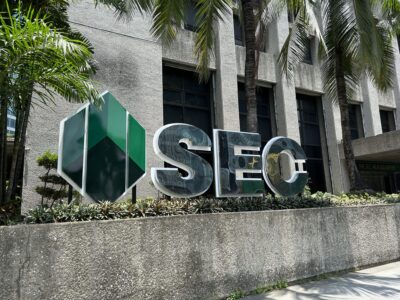
Establishing a corporate enterprise in the Philippines requires formal incorporation with the Securities and Exchange Commission before commencing commercial operations. For corporate entities operating within regulated markets—such as domestic stock corporations, foreign-owned subsidiary corporations, joint ventures, and branch offices—securing primary legal personality entails meeting minimum capital requirements, establishing formal governance structures, and maintaining strict corporate documentation. Executing this initial structural phase accurately establishes the legal foundation for all subsequent administrative and operational approvals while meeting fundamental business license requirements.
- Corporate Name Verification and Reservation: Corporate entities must initiate legal registration by verifying proposed corporate titles through the Securities and Exchange Commission digital database. Legal regulations require that corporate names remain distinct from existing entities and comply with statutory naming standards. Upon clearing preliminary verification, the SEC issues a formal reservation notice to secure the corporate title while the constituent incorporation documents undergo official legal preparation.
- Drafting Articles of Incorporation and By-Laws: Legal counsel must construct comprehensive Articles of Incorporation and Corporate By-Laws defining the precise primary and secondary business purposes of the enterprise. These foundational legal instruments establish corporate governance rules, define board structure, assign executive responsibilities, delineate shareholder voting rights, and specify the principal corporate address within the Philippines. For regulated sectors, business purpose clauses must strictly mirror authorized commercial activities.
- Capitalization and Equity Verification: Regulated industries are subject to enhanced capital adequacy standards that frequently exceed baseline statutory minimums. Foreign-owned enterprises and specialized corporate entities must demonstrate full compliance with paid-in capital requirements by depositing the required funds into a local corporate bank account. Banks issue official certificates of deposit, which serve as mandatory legal evidence for regulatory authorities to confirm compliance with national investment guidelines regarding foreign equity.
- Treasury Designation and Governance Appointments: Legal entity creation requires the formal appointment of essential corporate officers who are legally resident in the Philippines. Corporations must formally designate a Corporate Secretary, a Resident Agent, and a Corporate Treasurer. The appointed treasurer is required to execute an official Treasurer’s Affidavit and post a corporate surety bond in an amount proportional to the entity’s authorized capital stock to safeguard fiscal governance.
- Issuance of Certificate of Incorporation: Following complete document submission, legal evaluation, and settlement of statutory registration fees, the Securities and Exchange Commission issues the official Certificate of Incorporation or License to Do Business. This primary document grants the corporate entity independent legal personality, empowering the business to execute commercial leases, enter into binding contracts, open permanent corporate bank accounts, and proceed with secondary licensing protocols.
Secondary Licensing and Sector-Specific Permits
For commercial enterprises operating within oversight-heavy markets, primary SEC incorporation represents only the initial stage of corporate authorization. Before offering specialized services or launching commercial products, corporate entities must secure secondary licenses from specialized government oversight agencies. Meeting these secondary regulatory requirements for businesses requires undergoing technical facility audits, financial solvency evaluations, operational inspections, and ongoing compliance reporting tailored to specific industry verticals.
- Financial Services and Monetary Authority Clearances: Commercial banks, non-bank financial intermediaries, digital payment platforms, and lending institutions must obtain specialized operating authority from the Bangko Sentral ng Pilipinas. Regulatory evaluation involves stringent capital adequacy checks, anti-money laundering protocols, key personnel qualification assessments, and technical infrastructure audits to maintain the stability of the national financial system.
- Healthcare, Medical Device, and Food Industry Approvals: Enterprises that manufacture, import, wholesale, distribute, or retail food items, medical devices, cosmetics, or pharmaceutical products must secure a License to Operate from the Food and Drug Administration. Additionally, individual commercial products must obtain separate Certificates of Product Registration following comprehensive laboratory testing, safety documentation, and manufacturing quality audits.
- Energy Sector and Utility Approvals: Commercial entities engaged in power generation, electricity distribution, energy trading, or renewable power development must procure operational certificates and regulatory clearances from the Energy Regulatory Commission and the Department of Energy. Compliance requires demonstrating technical grid compatibility, environmental viability, and long-term financial capability.
- Telecommunications and Infrastructure Licenses: Telecommunications providers, network infrastructure builders, internet service providers, and commercial broadcasting firms must obtain secondary permits, provisional authorities, and frequency allocations from the National Telecommunications Commission. Filings demand detailed engineering plans, coverage projections, and substantial capital commitments to secure operational rights.
- Real Estate Development and Land Approvals: Property development firms, commercial estate builders, and housing project operators must secure development permits, environmental clearance certificates, and official Licenses to sell from the Department of Human Settlements and Urban Development prior to marketing properties or executing pre-sales contracts.
Municipal Licensing and Local Government Clearances
Upon establishing primary legal identity and obtaining national secondary permits, corporate entities must secure localized operational clearances from the Local Government Unit holding territorial jurisdiction over their corporate facilities. Obtaining local permits verifies that commercial premises comply with municipal zoning ordinances, local building codes, structural standards, and public safety regulations. Fulfilling these local business permit requirements ensures that physical corporate headquarters, manufacturing plants, and operational branches maintain uninterrupted legal operations.
- Barangay Business Clearance: Corporate entities must apply for and obtain official clearance from the barangay council where the corporate office, factory, or commercial site is located. This initial local clearance confirms that the business operation aligns with community standards and has settled any applicable local administrative fees.
- Zoning and Locational Clearances: Municipal planning and development offices review corporate property plans to ensure that proposed commercial activities comply with local land-use classifications. Zoning clearance prevents industrial or heavy commercial operations from establishing sites in restricted residential or environmentally sensitive zones.
- Building and Occupancy Permits: For newly constructed facilities or commercial office fit-outs, city engineering departments must conduct physical site inspections. Engineers evaluate structural stability, electrical wiring systems, mechanical installations, and plumbing infrastructure before issuing formal Occupancy Permits.
- Fire Safety Inspection Certificate: The Bureau of Fire Protection conducts mandatory safety inspections of corporate facilities to verify full adherence to the Fire Code of the Philippines. Inspections ensure operational commercial sites possess adequate fire suppression equipment, alarm systems, emergency exit routes, and detailed disaster evacuation protocols.
- Issuance of the Mayor’s Business Permit: Upon completing all local department evaluations, submitting unified municipal applications, and settling local business taxes, the municipal Business Permits and Licensing Office issues the official Mayor’s Permit, authorizing legal commercial activity within the municipality.
National Tax Compliance and Fiscal Administration
Holding a Mayor’s Permit and SEC incorporation certificate does not complete corporate readiness; commercial entities must fully integrate into the national tax framework before executing financial transactions. The Bureau of Internal Revenue regulates national tax registration, fiscal documentation, bookkeeping compliance, and commercial invoice printing. Satisfying fiscal business registration in the Philippines ensures corporate taxpayers maintain complete transparency while avoiding costly tax penalties, interest surcharges, and potential operational suspension.
- Taxpayer Identification and BIR Form 1903 Filing: Corporations, legal partnerships, and foreign branch offices must submit BIR Form 1903 to the Revenue District Office having jurisdiction over their principal office address. Filings require attaching certified copies of SEC incorporation documents, lease agreements, and municipal permits to establish official tax registration.
- Settlement of Annual Registration Fees and Stamp Taxes: Corporate taxpayers must settle mandatory annual registration fees and calculate required Documentary Stamp Taxes on subscribed equity, lease contracts, and legal deeds. Timely settlement prevents administrative tax liens and ensures official tax compliance standing.
- Issuance of Certificate of Registration (BIR Form 2303): The tax authority issues BIR Form 2303, which officially outlines the specific corporate tax categories applicable to the entity, including Corporate Income Tax, Value-Added Tax, Withholding Taxes, and expanded tax schedules.
- Authority to Print Official Invoices and Computerized Accounting: Corporations must apply for an Authority to Print official commercial invoices or secure formal approval to operate a Computerized Accounting System. Regulated entities must ensure that their invoicing systems comply with statutory electronic recording guidelines.
- Registration of Official Books of Accounts: Taxpayers must present manual-bound ledgers, simplified account books, or electronic accounting records to the designated Revenue District Office for official stamping and validation before logging commercial revenue.
Special Environmental, Trade, and Regulatory Compliance
Corporate activities involving heavy manufacturing, international trade, resource extraction, or physical development must satisfy secondary environmental and specialized agency regulations. Government regulatory bodies enforce strict operational standards to protect environmental safety, maintain fair trade practices, and enforce public accountability across competitive commercial markets. Securing these specialized industry-specific permits in the Philippines insulates commercial organizations from environmental litigation, customs seizures, and administrative sanctions.
- Environmental Compliance Certification: Infrastructure developments, manufacturing facilities, and industrial projects that may have potential environmental impacts must secure an Environmental Compliance Certificate or a Certificate of Non-Coverage from the Department of Environment and Natural Resources after submitting detailed environmental impact assessments.
- Customs Accreditation and Cross-Border Trade Permits: Enterprises engaged in importing commercial goods, raw materials, or capital machinery must obtain official importer accreditation from the Bureau of Customs and register in the Client Profile Registration System to clear customs legally.
- Economic Zone Special Registration: Entities locating facilities within special economic zones, such as those administered by the Philippine Economic Zone Authority, must secure specialized registration permits to qualify for fiscal incentives, duty-free equipment importation, and streamlined customs clearance workflows.
- Anti-Money Laundering Council Registration: Designated non-financial businesses, financial services providers, real estate firms, and precious metal dealers must register with the Anti-Money Laundering Council and implement strict Know Your Customer compliance procedures and transaction reporting mechanisms.
- Sanitary and Public Health Authorizations: Industrial food processors, central kitchens, and health facilities must secure specialized sanitary permits and health clearances from municipal health officers to certify operational compliance with national health and hygiene codes.
Operational Risks and Strategic Advisory Solutions
Navigating the multi-tiered administrative landscape of the Philippine corporate setup presents severe operational hurdles, legal risks, and bureaucratic bottlenecks for corporate leadership teams. The enterprise registration workflow requires coordinating with dozens of independent government agencies, satisfying localized municipal mandates, interpreting evolving equity ownership restrictions, and preparing technical legal filings under stringent statutory deadlines. Attempting to execute this intricate multi-agency procedure without expert guidance often results in delayed commercial launches, rejected permit filings, unexpected financial liabilities, and orders suspending operations. Seeking professional guidance is critical because the regulatory framework is highly complex, requiring specialized legal knowledge, direct agency coordination, and comprehensive compliance tracking. Partnering with a dedicated management consultancy transforms this overwhelming process into an efficient, structured, and risk-mitigated entry strategy.
- Comprehensive Legal Entity Advisory: Retaining expert advisory support ensures international corporations and domestic enterprises select optimal legal structures, navigate capital requirements smoothly, and maintain strict adherence to foreign ownership restrictions.
- End-to-End Secondary License Coordination: Specialized consultants streamline multi-agency applications across oversight bodies, including the SEC, FDA, BSP, and ERC, eliminating application delays and preventing costly document rejections.
- Expedited Municipal and LGU Processing: Professional compliance teams handle localized permits across various local government units, managing fire safety audits, zoning reviews, and Mayor’s Permit issuances efficiently.
- Integrated Tax Registration Alignment: Corporate advisory experts ensure full alignment with national revenue authorities, establishing compliant accounting frameworks, invoicing approvals, and corporate tax schedules from the outset of operations.
- Triple i Consulting Advisory Services: As a leading corporate advisory firm in the Philippines, Triple i Consulting offers comprehensive, end-to-end guidance to navigate complex registration requirements, protect corporate investments, and ensure seamless market entry.
Key Takeaways
Securing complete operational authorization for regulated enterprises in the Philippines requires a structured, multi-phase approach across municipal, national, and industry-specific government bodies. By systematically executing all primary business registration requirements, domestic corporations and foreign enterprise investors establish a legally sound foundation for long-term commercial growth and market sustainability. Proactive compliance management protects corporate capital, safeguards institutional reputation, and positions enterprises for rapid operational scaling.
Is Assistance Available?
Yes, Triple i Consulting provides comprehensive advisory support to help corporate entities manage complex regulatory workflows smoothly. Their team of corporate legal experts streamlines every step of your business registration requirements to ensure complete compliance and rapid operational clearance. Contact us today to schedule an initial consultation with one of our experts:
- Contact Us Here
- Fill out the form below
- Call us at: +63 (02) 8540-9623
- Send an email to: info@tripleiconsulting.com