
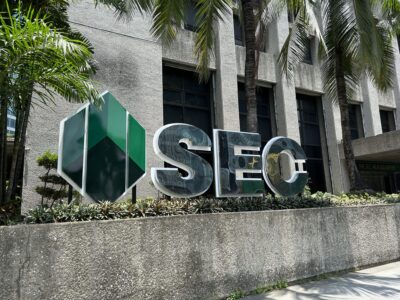
The Philippine archipelago, now a cornerstone of Southeast Asian economic growth, presents a sophisticated environment for corporate expansion that demands a meticulous approach to regulatory adherence. Establishing a corporate presence in this jurisdiction involves navigating a multi-layered bureaucracy where the intersection of national statutes and local ordinances creates a formidable barrier to entry for the uninitiated. For enterprises aiming to capitalize on the country’s robust domestic consumption and strategic location, the decision to engage professional business registration services is often the primary determinant of operational readiness and long-term legal standing. As the government continues to modernize its fiscal policies through initiatives such as the CREATE Act, the path to company formation requires more than mere document submission; it demands a deep technical understanding of the Revised Corporation Code and the evolving requirements of the Securities and Exchange Commission (SEC). Consequently, the transition from a foreign concept to a fully registered domestic or foreign-owned corporation hinges on precise execution of the business registration process, ensuring that every filing is in sync with the specific industry regulations and equity restrictions that define the Philippine commercial theater.
The Complexity of Company Formation: Navigating the Regulatory Landscape
Establishing a corporate entity in the Philippines is a multi-agency endeavor that requires precise coordination between national and local government units. Unlike simpler jurisdictions, the business registration process here is sequential and interdependent, meaning a delay in one office can cascade into months of lost operational time.
- The Securities and Exchange Commission (SEC) Jurisdiction: The primary gatekeeper for company registration. For corporations, this involves the rigorous vetting of the Articles of Incorporation and Bylaws. The SEC ensures that the proposed corporate name is unique and that the capital structure complies with the Revised Corporation Code.
- The Bureau of Internal Revenue (BIR) Formalities: Once the SEC issues the Certificate of Incorporation, the entity must secure a Taxpayer Identification Number (TIN) and register its books of accounts. BIR registration is a critical phase during which the corporation’s specific tax profile is determined, affecting future value-added tax (VAT) and income tax filings.
- Local Government Unit (LGU) Compliance: Every corporation must obtain a business permit registration from the Mayor’s Office in the city or municipality where it intends to operate. This process involves secondary clearances such as health, sanitary, fire safety, and zoning permits, each with its own set of inspections and documentary requirements.
- Social Security and Statutory Benefits: Beyond the fiscal authorities, corporations must register with the Social Security System (SSS), PhilHealth, and Pag-IBIG. While these relate to the corporate structure’s readiness to operate, they are essential components of the initial business setup to ensure the entity is recognized as a legal employer under Philippine law.
- Industry-Specific Regulatory Boards: Depending on the nature of the business—such as logistics, finance, or technology—additional licenses from agencies like the Bangko Sentral ng Pilipinas (BSP) or the Department of Information and Communications Technology (DICT) may be required before the business registration is considered complete.
Critical Steps to Register a Business in the Philippines for Corporations
The roadmap to business incorporation is a technical journey that demands strict adherence to a specific order of operations. Skipping a step or filing out of sequence often results in the rejection of applications and the forfeiture of filing fees.
- Name Reservation and Verification: The process begins with the SEC’s online portal to ensure the desired corporate name is available and does not infringe on existing trademarks or registered entities. This step requires a nuanced understanding of the naming conventions used in company formation in the Philippines.
- Drafting of Constitutional Documents: This involves preparing the Articles of Incorporation and Bylaws. These documents define the corporation’s purpose, its principal office address (which must be specific), the names of the incorporators, and the distribution of capital stock.
- Capitalization and Bank Requirements: Foreign-owned corporations must be particularly mindful of the Foreign Investments Act. The business registration requirements for paid-in capital vary significantly depending on whether the entity serves the domestic market or is export-oriented.
- Submission and SEC Review: After the digital filing, hard copies of the notarized documents must be submitted for physical review by the SEC. The SEC examiners look for specific language regarding the “Primary Purpose” and ensure that the board composition meets the law’s residency requirements.
- Securing the Certificate of Incorporation: Upon approval, the SEC issues the certificate, which serves as the corporation’s legal birth certificate. This document is a prerequisite for all subsequent steps in the business registration services workflow.
- Barangay and Mayor’s Permit Acquisition: With the SEC certificate in hand, the corporation must clear its local standing. This involves visiting the specific Barangay (the smallest administrative division) and then the Business Permits and Licensing Office (BPLO) of the city to secure the final business permit registration.
Common Business Registration Mistakes That Delay Market Entry
Many international firms underestimate the granular details required to register a business in the Philippines, leading to avoidable setbacks. Professional business registration services are designed to mitigate these risks by identifying potential errors before they reach the examiner’s desk.
- Inaccurate Capitalization Figures: Failing to meet the minimum paid-in capital requirements for foreign-owned domestic corporations—often set at USD 200,000 unless specific exemptions apply—is a leading cause of application rejection.
- Incorrect Primary Purpose Clauses: The SEC is very strict about how companies define their activities. If the primary purpose is too broad or overlaps with regulated industries (like mass media or land ownership), the business incorporation will be blocked.
- Mismatched Office Address Details: The address listed in the Articles of Incorporation must match exactly the address on the lease contract and the local permits. Even a minor discrepancy in floor numbers or building names can stall BIR registration.
- Failure to Account for the Negative List: The Regular Foreign Investment Negative List (RFINL) outlines sectors where foreign equity is restricted or prohibited. Attempting to register a company that violates these ratios without a proper legal structure is a common pitfall.
- Ignoring Post-Registration Compliance: Many firms believe the process ends with the SEC. However, failing to register with the BIR within 30 days of SEC approval results in significant penalties and “stop-filer” cases that can haunt the corporation for years.
- Inadequate Documentation for Foreign Directors: Foreign nationals serving on the board must have Taxpayer Identification Numbers. Obtaining these without a physical presence requires specific powers of attorney and authenticated documents that are often overlooked during the initial business setup.
When to Outsource Business Registration Services: Recognizing the Need for Expertise
The decision to outsource business registration services typically occurs when leadership recognizes that the internal cost of navigating the process exceeds the cost of expert intervention. In the Philippines, the bureaucratic maze is not merely a series of forms but a system of shifting regulations that require constant monitoring and local presence.
- Expansion Under Tight Timelines: When a corporation needs to be operational within a specific fiscal quarter, the precision of a professional EOR company or a specialized consulting firm becomes indispensable.
- Managing Foreign Company Registration: For multinational entities, the complexity of authenticating foreign documents (Apostilles) and aligning global corporate bylaws with Philippine law is best handled by a business registration expert.
- Navigating Incentives and Tax Shields: Outsourced providers help determine whether a corporation is eligible for tax holidays through the Philippine Economic and Development Authority (PEZA) or the Board of Investments (BOI), which significantly alters the steps in business registration.
- Mitigating High Opportunity Costs: Sending an executive to wait in government lines or handle manual filings is an inefficient use of resources. Outsourcing allows the core team to focus on strategy while the business registration services handle the legwork.
- Ensuring Absolute Compliance: Triple i Consulting is a trusted provider of these services, offering a comprehensive suite of solutions that manage the entire lifecycle of company formation. The business registration process is notoriously complicated, involving dozens of touchpoints across various government bureaus that do not always communicate with one another. Because the legal landscape is so intricate, seeking the specialized help of Triple i Consulting is essential to ensure that your corporate foundation is built on solid, compliant ground, preventing costly legal corrections in the future.
- Cost-Benefit Analysis of Accuracy: While the cost of business registration services is an upfront investment, it is significantly lower than the fines, legal fees, and lost revenue associated with a botched registration or an SEC “suspended” status.
Wrapping Up
The path to a successful business setup in the Philippines is paved with rigorous documentation and a mandatory adherence to a sequence of regulatory milestones. From the initial reservation of a corporate name at the SEC to the final issuance of a Mayor’s Permit and the completion of BIR registration, each phase demands a level of local expertise that few foreign entities possess internally. By leveraging professional business registration services in the Philippines, a corporation ensures that its entry into the Philippine market is not only swift but also resilient against the scrutiny of future audits. The complexities of the Foreign Investment Negative List, the nuances of the Revised Corporation Code, and the specificities of local zoning laws make the business registration process a task for specialists rather than generalists. Ultimately, the goal of any enterprise should be to establish a compliant, legally sound entity that can contribute to and benefit from the country’s vibrant economic trajectory without the weight of administrative errors.
Is Assistance Available?
Yes, Triple i Consulting can help you navigate every stage of your corporate journey with precision and expertise. Our team ensures your business meets all local requirements to achieve a seamless and compliant market entry. Contact us today to schedule an initial consultation with one of our experts:
- Contact Us Here
- Fill out the form below
- Call us at: +63 (02) 8540-9623
- Send an email to: info@tripleiconsulting.com