
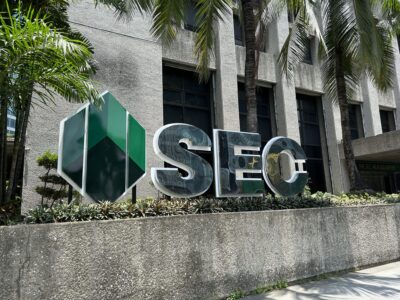
Commercial expansion across Southeast Asian markets often centers on Manila’s vibrant economic landscape, where domestic enterprises and foreign corporate groups establish long-term operations. Executive decision-makers evaluating market entry or operational restructuring must evaluate how company registration in the Philippines aligns with their capitalization strategies, operational scopes, and long-term corporate governance objectives. Deciding whether to incorporate a new commercial entity or make statutory modifications to an existing organization requires rigorous analysis of corporate law, tax obligations, statutory compliance schedules, and regulatory liabilities with national administrative bodies. Selecting the appropriate legal pathway ensures seamless organizational growth while mitigating institutional risk across all regulatory jurisdictions.
Choosing Between a New Entity and a Corporate Amendment
Before allocating financial resources and legal capital, corporate boards must evaluate whether enterprise growth mandates creating an independent legal entity or filing statutory modifications for an existing corporation. The operational decision to incorporate a new enterprise or amend the existing Articles of Incorporation has direct implications for corporate liability, tax exposure, and administrative continuity. Analyzing these fundamental structural parameters provides legal counsel and executive leadership with the factual clarity required to choose the optimal legal framework.
- Legal Liability Isolation and Asset Segregation: Establishing a new corporate entity creates a completely separate juridical personality under the Revised Corporation Code, effectively insulating parent organizations and institutional investors from new operating liabilities, contractual commitments, and debt obligations. Conversely, filing statutory amendments for an existing corporate structure maintains the legacy entity’s continuous legal identity, meaning all historical liabilities, pending litigation, and past commercial obligations remain fully attached to the ongoing enterprise, exposing historical assets to potential litigation.
- Capital Structure and Foreign Equity Ratios: Expanding corporate operations through new international partnerships or revised equity distribution models often requires adjustments to the authorized capital stock. While executing a statutory modification updates existing equity arrangements without liquidating established corporate assets, foreign investment adjustments under national investment laws may make establishing a standalone subsidiary a cleaner administrative alternative for business registration in the Philippines, simplifying corporate governance.
- Operational Scope and Primary Purpose Expansion: Moving corporate activities into distinct, highly regulated industry sectors requires revising the primary purpose clause within statutory corporate documents. Updating existing corporate charters preserves operational continuity, whereas creating a dedicated secondary corporate entity enables segregated financial accounting, distinct corporate branding, and tailored operational management for distinct commercial divisions.
- Tax Continuity and Historical Revenue Audits: Retaining an existing corporate identity through statutory modifications preserves the organization’s established Tax Identification Number (TIN) and operational financial history with revenue authorities. Establishing a new corporation, however, resets tax reporting lines and sets a fresh compliance timeline, while also mandating the creation of new official receipts, accounting ledgers, and tax registrations.
- Contractual Continuity and Commercial Licensing: Amending existing corporate charters permits an enterprise to maintain active commercial leases, banking facilities, vendor contracts, and operational licenses without executing formal contract assignments. Incorporating a new legal entity requires negotiating fresh vendor agreements, re-applying for specialized operational permits, and transferring operational assets between separate legal entities.
Core Protocols for SEC Registration in the Philippines for New Corporate Entities
Forming a new corporate entity within the domestic market requires strict compliance with multi-tiered administrative procedures governed by federal regulatory commissions and municipal authorities. Business executives evaluating how to register a company in the Philippines must follow a structured regulatory roadmap that coordinates state legal filings, local municipal licensing, and federal tax registration. Adhering to these statutory requirements ensures that the newly established corporate entity has full legal authorization to commence commercial operations.
- Corporate Name Reservation and Regulatory Clearance: The initial statutory step is to verify corporate name availability and obtain formal clearance through the Securities and Exchange Commission (SEC) ‘s electronic processing system. The selected corporate title must comply with national naming rules, ensuring it remains legally distinct from existing registered corporations and free from restricted regulatory phrases or deceptive corporate descriptors.
- Drafting Articles of Incorporation and Corporate By-Laws: Corporate incorporators must prepare comprehensive Articles of Incorporation detailing the principal office address, specific corporate purpose, authorized capital stock structure, and initial director details. Concurrently, corporate bylaws must be drafted to govern internal corporate administration, shareholder meeting procedures, board election rules, and corporate officer responsibilities in accordance with statutory corporate guidelines.
- Securing SEC Registration in the Philippines: Submitting signed, notarized corporate charter documents to state regulatory authorities culminates in the issuance of the Certificate of Incorporation. Obtaining this official legal document marks the formal birth of the corporate enterprise, endowing it with independent juridical personality to hold corporate assets, execute binding legal contracts, apply for operational permits, and commence business operations.
- Compliance with Statutory Capitalization Standards: Foreign-owned domestic corporations and local branch offices must meet mandatory minimum capitalization thresholds set by statutory investment legislation. Depositing designated equity capital into local corporate bank accounts and obtaining certified bank deposit certificates represent mandatory prerequisites for final regulatory approval.
- Local Municipal Business Permit Licensing: Following formal SEC incorporation, the enterprise must secure a Mayor’s Permit and a commercial business license from the municipal government where its principal office is located. This process requires obtaining local clearance certificates, including zoning compliance permits, sanitary inspection approvals, environmental compliance clearances, and local fire safety certificates.
- Bureau of Internal Revenue Tax Registration: Fulfilling statutory company registration requirements mandates registering the new corporate entity with the appropriate district revenue office. The corporation must secure its official Certificate of Registration (Form 2303), register its corporate books of account, and obtain formal authorization to print official commercial invoices for client transactions.
Step-by-Step Business Amendment in the Philippines for Existing Entities
When an established organization changes its operational focus, expands its authorized capital stock, or adjusts its internal governance structure, it must execute a formal business amendment in the Philippines. Statutory corporate modifications ensure that all legal changes remain valid, enforceable, and fully compliant with state regulatory frameworks and tax administrative orders.
- Board Approval and Stockholder Authorization: Corporate modifications must originate at a formal board of directors meeting and be ratified by stockholders representing at least two-thirds of the outstanding capital stock. The Corporate Secretary must prepare detailed board resolutions and execute a notarized Directors’ Certificate confirming the proper legal adoption of the proposed corporate amendments during duly convened board assemblies.
- Filing Amended Articles with Statutory Authorities: The corporation must formalize and submit its amended Articles of Incorporation or By-Laws to the SEC, clearly highlighting any modifications, such as corporate name changes, principal address changes, corporate purpose updates, or capital stock increases. Legal examiners audit the filing to verify compliance with statutory corporation laws and administrative decrees.
- Issuance of SEC Certificate of Filing of Amended Articles: Upon successful document review and payment of required statutory fees, the commission issues an official Certificate of Filing of Amended Articles of Incorporation. This certificate serves as conclusive legal evidence that the corporate modifications are legally approved and fully enforceable under national corporate law.
- Updating Municipal Permits and Local Authorizations: Following state-level corporate approval, amended corporate documentation must be presented to local government units in the jurisdiction where the business operates. Modifying corporate titles, commercial scope, or office locations requires updating local Mayor’s Permits, municipal tax declarations, and local operational clearances.
- Executing BIR Tax Updates and Operational Clearances: Corporate modifications involving business names, primary operational purposes, or corporate locations must be updated with the Bureau of Internal Revenue using standard tax registration update forms. Transferring a corporate office across municipal tax jurisdictions necessitates completing formal tax transfer filings, resolving outstanding tax audits, updating registered office addresses, and obtaining updated tax registration certificates.
Managing Complex Corporate Compliance with Triple i Consulting
Navigating corporate legal structures, multi-agency regulatory demands, and statutory compliance filings in the country presents significant administrative challenges for corporate boards and executive management teams. Seeking the specialized guidance of Triple i Consulting is critical because corporate formation and statutory amendment processes involve complex legal dependencies, rigorous document validation, and strict tax compliance rules that can cause costly commercial delays if handled without expert oversight. The inherent complexity of coordinating filings across state regulatory commissions, tax bureaus, and municipal authorities makes experienced professional advisory services indispensable for mitigating risk and ensuring legal compliance.
- Comprehensive Legal Due Diligence and Corporate Auditing: The legal advisory team performs exhaustive reviews of existing corporate documentation, identifying underlying regulatory non-compliance, missing annual filings, or latent tax liabilities before submitting documentation to state registries or tax authorities for official approval.
- End-to-End SEC Application and Documentation Oversight: Experienced corporate consultants oversee every phase of statutory filing workflows, ensuring that Articles of Incorporation, board resolutions, Treasurer’s affidavits, and corporate By-Laws adhere precisely to administrative formatting requirements and statutory rules.
- Strategic Revenue Bureau Coordination and Tax Alignment: Financial and legal specialists coordinate complex filings with the Bureau of Internal Revenue, managing Certificate of Registration updates, tax district transfers, official invoice approvals, and tax clearance certificates without triggering severe administrative penalties.
- Efficient Municipal Licensing and Local Government Representation: Dedicated field consultants manage direct engagements with municipal licensing offices across major economic centers, expediting Mayor’s Permits, zoning approvals, and local tax clearances for domestic and international corporate clients.
- Tailored Equity Structuring and Foreign Capital Compliance: Professional advisors guide foreign corporate entities through statutory capital investment thresholds, structuring capital contributions in strict accordance with national investment statutes to optimize long-term operational flexibility and corporate protection.
Final Insights
Maintaining sustainable commercial growth and strict statutory compliance within the local market requires continuous alignment between operational realities and legal corporate documentation. Executing company registration in the Philippines with absolute accuracy protects corporate capital, establishes strong legal standing, and ensures uninterrupted business operations across all commercial sectors. Establishing a transparent regulatory foundation safeguards organizational investments while positioning the enterprise for long-term expansion and profitability.
Is Assistance Available?
Yes, Triple i Consulting offers comprehensive corporate advisory and legal support services to streamline company registration in the Philippines for businesses of all scales. Our team of experienced corporate legal advisors, tax consultants, and administrative specialists manages every phase of SEC, BIR, and municipal filings to guarantee complete regulatory compliance and operational readiness. Contact us today to schedule an initial consultation with one of our experts:
- Contact Us Here
- Fill out the form below
- Call us at: +63 (02) 8540-9623
- Send an email to: info@tripleiconsulting.com