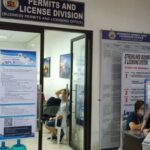

Although the Ease of Doing Business and Efficient Government Service Delivery Act of 2018 has greatly improved digitalization of business registration in the Philippines, the extent to which online business permit systems have been implemented varies greatly across regions. Businesses, both local and international, wishing to operate in provincial areas or growing regions may find applying for Business Permits at the local government office challenging. While national bodies such as the Securities and Exchange Commission (SEC) have made business registration completely digital, multiple Local Government Units (LGUs) throughout the country still operate completely manually. This can cause significant delays for businesses, as well as unexpected penalties. If your local government office does not offer an online business permit system, you must understand local procedures in detail, prepare accurate documentation, and work closely with local regulatory bodies so that you can complete Business Permits efficiently. This will ensure you do not incur any unnecessary delays in beginning your business activity.
Understand Local Procedures In Your LGU
Before visiting the LGU and incurring any costs, you should understand the status of business permit applications in your local area. Although Republic Act No. 11032 requires all local governments to automate business permit systems, many LGUs are still operating hybrid or completely manual systems due to infrastructure, budget, and transition restrictions. To avoid unnecessary visits to local LGU offices, you should confirm whether your LGU uses the Department of Information and Communications Technology’s ‘Integrated Business Permits and Licensing System’ (iBPLS), or whether they have their own manual system.
- Check official information. Visit the official website, check official social media sources, or contact the Business Permits and Licensing Office (BPLO) directly to determine whether applications can be submitted manually.
- Check Applicable Local Revenue Code. Check the local tax code of your area, as business tax, rubbish fees, and regulatory taxes will differ in different areas.
- Confirm land use. Confirm that your leased office/warehouse/retail space matches the land use plan of the area outlined in the Comprehensive Land Use Plan (CLUP).
- Confirm pre-application requirements at the Barangay. Determine whether you need to visit the local Barangay to receive a physical Barangay Business Clearance before visiting the LGU BPLO.
- Know busy months. January is a very busy month for renewal applications in all LGUs in the Philippines. You may encounter long queues and delays in obtaining permits as a new business.
Prepare Documentation To Meet LGU Business Permit Expectations
Preparing accurate physical documents ahead of your visit to the local LGU will reduce the chances of your application being rejected. If there is an issue with any of the signatories, notary date, or property tax receipts within the folder you provide, the application may be sent to the back of the queue. If you prepare certified true copies along with original documents, you can meet LGU business permit requirements for your first submission. The application can then quickly be processed between different departments.
- Securities and Exchange Commission (SEC) Documentation. Domestic companies must include a Certificate of Incorporation, Articles of Incorporation, and By-Laws. Foreign branch or representative offices must include a License to Transact Business in the Philippines.
- Certificate of Company Secretary. Include a notarised Certificate of Company Secretary showing that a representative/officer is authorized to apply for permits for the company.
- Evidence of right to occupy. Include a notarised lease agreement, Transfer Certificate of Title (TCT) or Tax Declaration, alongside the latest Mayor’s Permit and Real Property Tax (RPT) clearance from the lessor.
- Barangay Business Clearance. Secure a signed Barangay Business Clearance from the Punong Barangay of the specific address where the business will be located.
- Location/Zoning Clearance. Obtain a physical Zoning Clearance from the Municipal Planning and Development Coordinator (MPDC) showing that operation in this location is suitable.
- Fire Safety Inspection Certificate (FSIC). Include architectural drawings, fire extinguisher receipts, and occupancy certificates from the local Bureau of Fire Protection (BFP).
- Sanitation Permit. Include water quality test results, pest control agreements, and health cards for all employees on site. These must be provided to comply with local health regulations.
- Community Tax Certificate (Cedula). Obtain a Community Tax Certificate in the name of your company from the Municipal Treasurer’s Office. The amount to be paid will depend on the value of real property owned by the company and either gross turnover or paid-up capital.
Completing Business One Stop Shop (BOSS) Manually
Understanding the layout of a Physical Business One Stop Shop (BOSS) in local government offices enables you to complete regulatory processes efficiently. According to local guidelines, each LGU must have a central Business One Stop Shop (BOSS) to house BPLO, Treasurer’s, Zoning, Engineering, Health, and Bureau of Fire Protection Services. In LGUs without online systems, applications for Business Permits must be completed manually within the BOSS. Applications will be stamped, fees calculated, and endorsements from different departments will occur manually.
- Obtain a unified application. Obtain the physical Unified Form from the BPLO acceptance desk. Ensure all data, including PSIC codes and capital values, is clearly printed or written.
- Complete according to the routing form. Follow the numbered list of endorsements on the application folder. In manual applications, submissions will typically be processed in sequence by individual departments.
- Schedule physical inspections. Schedule inspections with engineers, sanitary inspectors, and BFP fire marshals at your business location. Ensure that forms can be signed off immediately.
- Ensure taxes are correctly calculated. Request a breakdown of costs in the form of an Order of Payment from the Municipal Treasurer’s Office. Carefully check that you have been charged the correct amounts for regulatory fees, mayor’s permits, and fire safety inspections.
- Pay for permits. Pay the required fees at the cashier’s desk. Retain all Official Receipts (OR) to prove payment so that you can receive the final permits.
Step-by-Step Process
Understanding the step-by-step process of applying for Business Permits manually in local government offices will allow you to avoid delays. In contrast to digital applications, paper applications will be passed from clerk to department head to division head. To apply for Business Permits manually at local government offices in the Philippines, carefully track all the stubs, claim slips, and signed approvals in order to complete the process efficiently.
- Application check. Submit your prepared application to the BPLO assessor. The assessor will check that all required documentation is included and give you a tracking number/claim stub.
- Interdepartmental approvals. Submit the application to the Zoning Officer, Building Official, City Health Officer, and Bureau of Fire Protection to gain technical approvals.
- Physical inspection. Allow BFP and engineering staff to conduct an inspection of your site. They will check structural safety, electrical compliance, fire exits, and hygiene standards.
- Calculate Fees & Issue Order of Payment. Return the fully approved application to the BPLO, so that staff can calculate the required fees and issue an official Tax Order of Payment.
- Pay taxes and confirm receipts. Pay the exact amount to the Municipal Treasurer’s cashier’s desk. Return copies of confirmed Official Receipts to the BPLO to be released.
- Receive signatures from the Mayor. Wait for the Mayor of the Municipality/City (or delegate from BPLO) to sign your official Mayor’s Permit, Business Plate, and Sanitary Permit.
Common Problems
Understanding common issues in local government offices will allow you to create realistic timescales for starting your business in the Philippines. In LGUs without online systems, long queues, checking details from the manual records, and delays caused by unavailable signatories often result in longer processing times than the 3-7 days allowed nationally. Knowing these potential issues will allow you to create contingency plans and ensure you do not legally operate without local authorization.
- Delay from absence. If the department head/mayor is unavailable, applications can be put on hold in the inboxes until an authorized officer-in-charge can approve them.
- Differing requirements. Different assessors may require extra documents from your company such as additional affidavits, updated resolutions from the board, or further clearances from your lessor, despite this not being listed in the standard information provided by municipal offices.
- Delays from the Bureau of Fire Protection (BFP). As BFP is a national body, coordinating with BFP staff within the LGU can create delays of several days in busy periods.
- Severe Penalties for late applications. Typically, businesses must obtain their Mayor’s Permit from the LGU within 30 days of registering with the SEC, or before commencing trade. Delays caused by long queues in local government offices will not exempt businesses from paying late fees or interest.
- Dependent on BIR after permits. Once your Mayor’s Permit is issued, or you have received confirmation of receipt from the BPLO, you can complete your BIR Certificate of Registration (Form 2303). Without the Mayor’s Permit or confirmation of receipt from the BPLO, you cannot obtain Authority to Print (ATP) official invoices.
Work With Experts To Complete Local Requirements
Working with experts in corporate compliance means that you do not have to spend valuable time of your own dealing with manual processes in local government offices. Completing a license in local government requires much more than simply submitting documents. Understanding business permit requirements in the Philippines requires working with multiple departments: barangay offices, engineering, fire stations, and tax offices. As this process is complex, involves multiple local authorities, and is very strict regarding small issues in documentation, working with experts such as those at Triple i Consulting will ensure that your business does not face expensive rejections, penalties, or delays. Triple i Consulting offers a full service for corporate registrations and licensing in the Philippines. We have experts on the ground to manage the distribution of your documents, coordinate physical inspections, confirm taxation, and obtain your Mayor’s Permit efficiently.
- Complete full pre-submission checks. Our legal and compliance experts will check your SEC documentation, lease agreements, and authorizations to ensure there are no issues in the documents.
- Fully represented in LGU. Our experienced liaison officers will complete all queues, interdepartmental approvals, and payments in the local government office. This means business executives can spend their time focusing on running the business.
- Coordinate inspections. Our specialists will arrange and accompany engineers, health inspectors, and BFP fire marshals to your location, and will resolve any observations immediately.
- Seamlessly register in BIR. Once you have received your Mayor’s Permit, we will seamlessly transfer your application to the relevant Revenue District Office in BIR to complete tax registration and invoice compliance.
Summary
Even if your local municipality does not have digital licensing systems in place, you can still expand your business in the Philippines efficiently. Despite manual business permit applications requiring detailed documentation, attending physical business one-stop shops and managing interdepartmental approvals, carefully preparing for your permit application means you can turn a daunting task into a predictable milestone. By confirming local procedures at your LGU in advance, preparing certified documents, and carefully managing inspections and tax calculations, businesses can achieve full compliance in local government offices and begin operating confidently.
Is Assistance Available?
Triple i Consulting can support you with all stages of manual business permit processing in an efficient manner, while ensuring full compliance. Get in touch with our expert corporate registration specialists today to have a consultation. Our experts can manage and complete the entire process of obtaining a license from your LGU. Contact us today to get started:
- Contact Us Here
- Fill out the form below
- Call us at: +63 (02) 8540-9623
- Send an email to: info@tripleiconsulting.com